What is a PSA Test?
PSA (Prostate Specific Antigen) is a protein produced by cells in the prostate gland. A PSA test measures the level of this protein in the blood.
Small amounts of PSA normally enter the bloodstream. However, higher PSA levels may occur when the prostate is irritated, inflamed, enlarged, or affected by disease.
An elevated PSA does not automatically mean prostate cancer. Many non-cancerous conditions can also cause PSA to rise.
Elevated PSA (Prostate Specific Antigen)
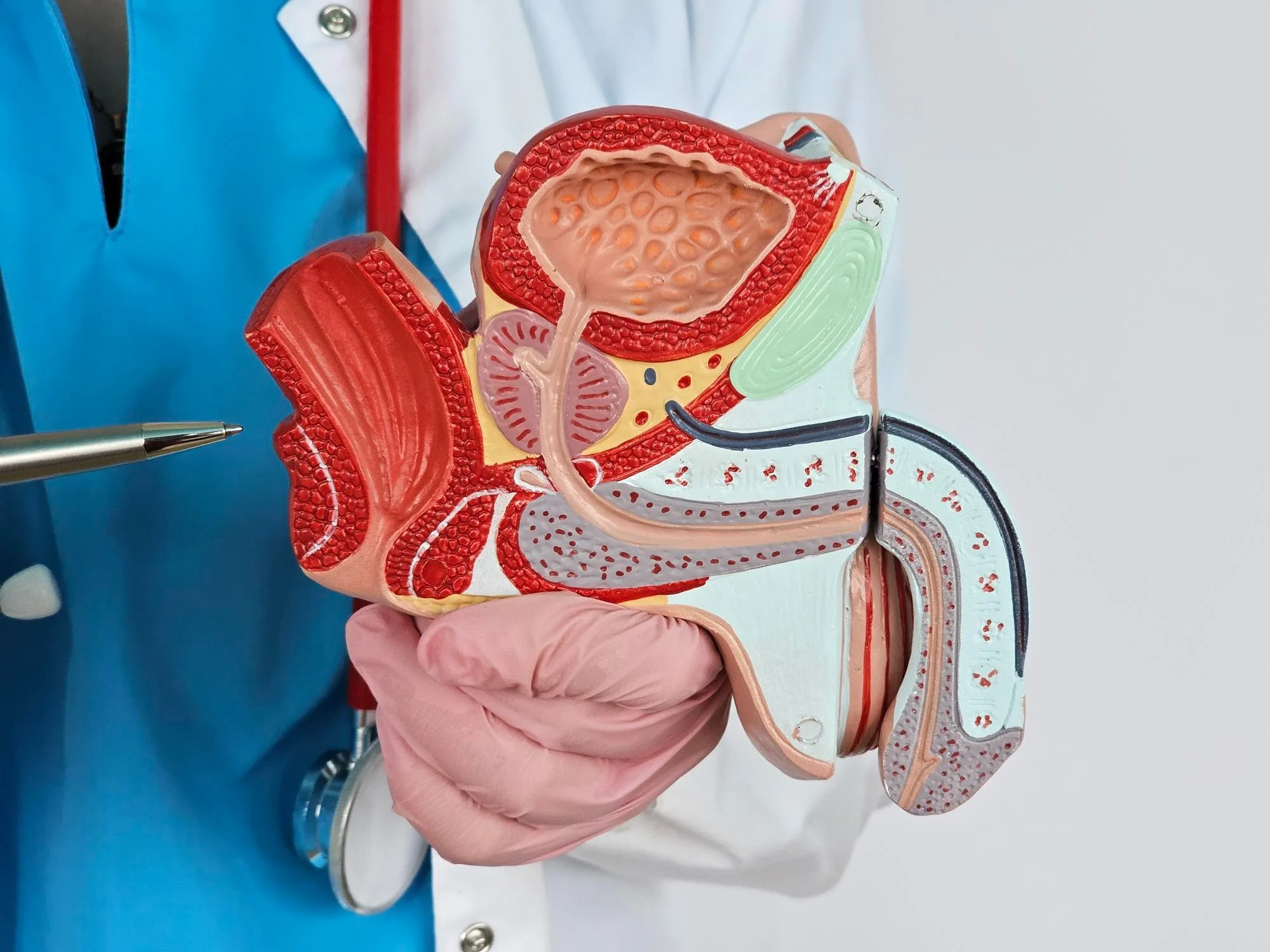
Common Causes of an Elevated PSA
Benign Prostatic Hyperplasia (BPH)
An enlarged prostate is a common cause of increased PSA levels, particularly in older men.
BPH is non-cancerous and occurs as the prostate grows with age.
Symptoms may include:
Weak urinary stream
Difficulty starting urination
Frequent urination, especially at night
Feeling that the bladder does not empty fully
Prostatitis (Prostate Inflammation or Infection)
Inflammation or infection of the prostate can cause PSA to rise significantly.
Symptoms may include:
Pelvic or perineal pain
Painful urination
Fever or chills
Difficulty urinating
This condition is usually treated with medications such as antibiotics.
Prostate Cancer
Prostate cancer can cause elevated PSA levels. However:
Many men with prostate cancer have only mild PSA elevation
Many men with high PSA do not have cancer
Further tests are needed to determine whether cancer is present.
Recent Ejaculation
Ejaculation within 24–48 hours before the test can temporarily raise PSA levels.
Doctors often recommend avoiding ejaculation before a PSA blood test.
Prostate Stimulation or Medical Procedures
PSA may increase temporarily after procedures that affect the prostate, including:
Digital rectal examination (DRE)
Prostate biopsy
Catheter insertion
Cystoscopy
Recent prostate surgery
Urinary Tract Infection (UTI)
Infections involving the urinary tract or bladder may raise PSA levels.
Symptoms may include:
Burning when urinating
Frequent urination
Cloudy or foul-smelling urine
Fever
Vigorous Exercise
Certain activities that put pressure on the prostate may increase PSA temporarily, such as:
Cycling
Horse riding
Intense physical activity involving the pelvic area
Age
PSA levels tend to increase gradually with age due to natural prostate enlargement.
For this reason, doctors often interpret PSA results using age-specific reference ranges.
What Happens if PSA is Elevated?
If your PSA level is higher than expected, your doctor may recommend:
Repeating the PSA test
Treating possible infection first
A digital rectal examination (DRE)
Imaging tests (such as prostate MRI)
Referral to a urologist
Prostate biopsy in selected cases
The decision depends on:
PSA level
Rate of PSA change over time
Age and risk factors
Examination findings
Important Points to Remember
PSA is a screening and monitoring test, not a diagnosis.
Many men with elevated PSA do not have prostate cancer.
PSA results must always be interpreted in the clinical context.
When to Discuss PSA Testing With Your Doctor
Talk to your doctor about PSA testing if you:
Are over 50 years old
Are over 45 with a family history of prostate cancer
Have urinary symptoms
Have previously had an elevated PSA