What is Overactive Bladder?
Overactive bladder (OAB) is a condition that causes a sudden and frequent urge to pass urine, often difficult to control. The urge may occur even when the bladder is not full.
OAB is caused by overactivity of the bladder muscle, which contracts involuntarily and creates the sensation of needing to urinate urgently.
The condition can affect both men and women and may significantly impact daily activities and quality of life.
Overactive Bladder (OAB)
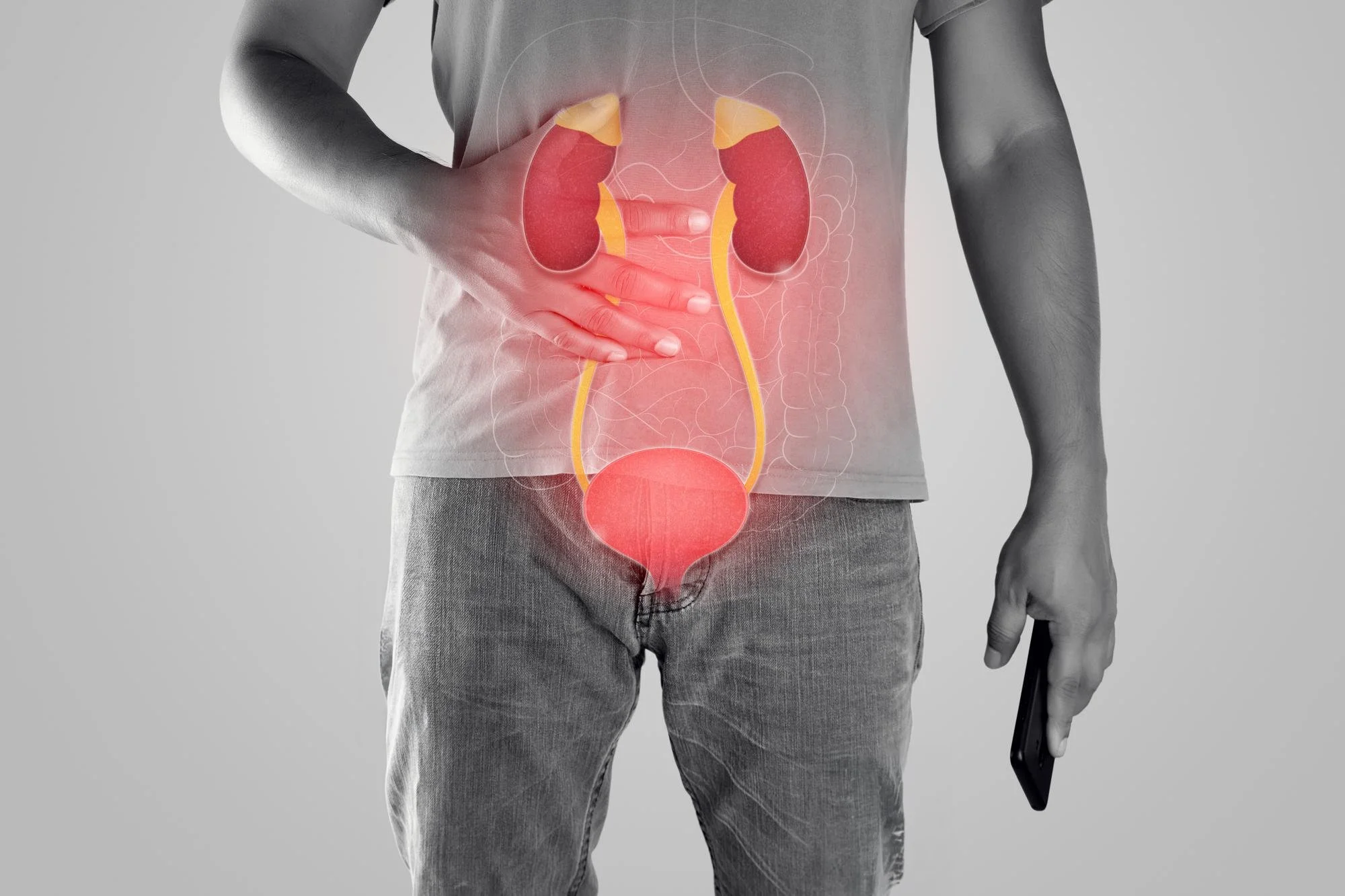
Common Symptoms
The main symptoms of overactive bladder include:
Urgency
A sudden and strong need to urinate that is difficult to delay.
Frequency
Needing to urinate more often than usual, typically more than 8 times in a 24-hour period.
Nocturia
Waking during the night to urinate.
Urge Incontinence
In some people, urine leakage occurs before reaching the toilet.
Not all patients experience all of these symptoms.
How is Overactive Bladder Diagnosed?
Diagnosis usually involves:
Medical History
Your doctor will ask about urinary symptoms, fluid intake, and medical history.
Physical Examination
This may include an abdominal and pelvic examination.
Urine Tests
Urine tests help exclude infection or blood in the urine.
Bladder Diary
You may be asked to record:
Fluid intake
Urination times
Episodes of urgency or leakage
This helps assess bladder function.
Additional Tests (if needed)
In some cases, further investigations may include:
Ultrasound of the bladder
Measurement of urine flow
Post-void residual urine measurement
Urodynamic studies
Causes of Overactive Bladder
In many cases, the exact cause is unknown. However, several factors may contribute, including:
Age-related changes in bladder function
Neurological conditions (such as stroke, Parkinson’s disease, or multiple sclerosis)
Diabetes
Bladder irritation or infection
Bladder outlet obstruction (for example from an enlarged prostate in men)
Certain medications
Excess caffeine or alcohol intake
Sometimes OAB occurs without any identifiable underlying cause.

Treatment Options
Treatment aims to reduce symptoms and improve bladder control.
1. Lifestyle and Behavioural Changes
These measures are often the first step in treatment.
Examples include:
Bladder training
Gradually increasing the time between urinating.
Pelvic floor muscle exercises
Strengthening muscles that help control urination.
Fluid management
Avoiding excessive fluid intake.
Reducing bladder irritants
Limiting caffeine, alcohol, and artificial sweeteners.
Weight management
Excess weight can worsen symptoms.
2. Medications
If lifestyle measures are insufficient, medications may be prescribed.
Common medications include:
Anticholinergic medications
Oxybutynin
Solifenacin
Tolterodine
These medications help relax the bladder muscle.
Possible side effects include:
Dry mouth
Constipation
Blurred vision
Beta-3 agonists
Examples include:
Mirabegron
These medications relax the bladder and increase bladder capacity.
3. Advanced Treatments
For patients whose symptoms do not improve with conservative treatment or medications, other options may be considered.
These may include:
Botulinum toxin (Botox) injections into the bladder
Sacral nerve stimulation
Posterior tibial nerve stimulation
Your doctor will discuss whether these treatments are appropriate.

Living with Overactive Bladder
OAB is a common condition and can usually be managed successfully with treatment.
Many patients experience significant improvement with:
Lifestyle changes
Bladder training
Medication
Early assessment and treatment can help reduce symptoms and improve quality of life.