Treatment Options for Localised Prostate Cancer
What is Localised Prostate Cancer?
Localised prostate cancer means the cancer is confined to the prostate gland and has not spread to other parts of the body.
Many prostate cancers grow slowly, and treatment decisions depend on several factors, including:
PSA level
Gleason score / Grade Group
MRI findings
Cancer stage
Age and general health
Personal preferences
Your doctor will discuss the most appropriate options for your situation.
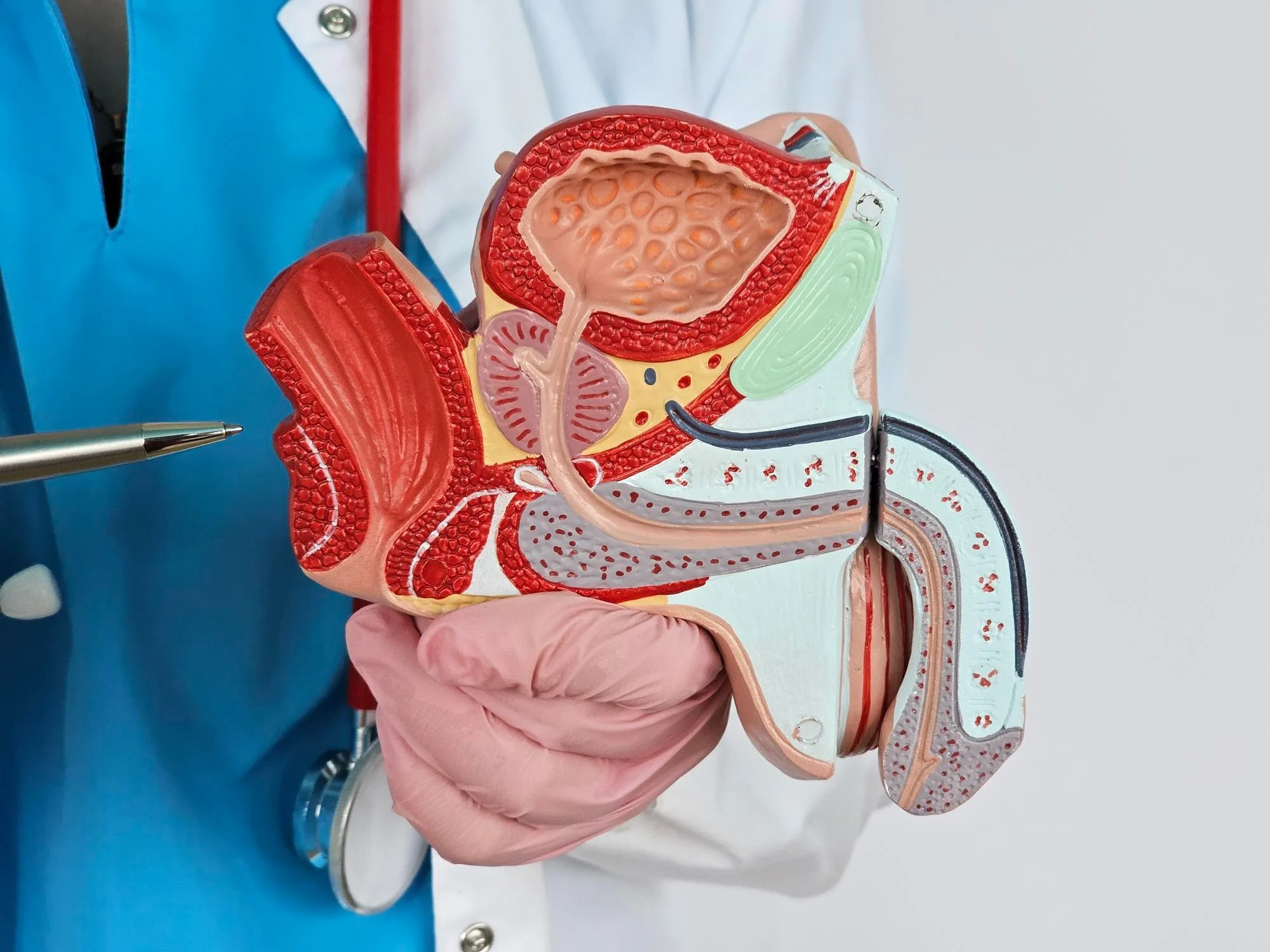
Treatment Options
1. Active Surveillance
Active surveillance is recommended for many men with low-risk or favourable intermediate-risk prostate cancer.
The goal is to monitor the cancer closely and avoid or delay treatment unless the cancer shows signs of progression.
Monitoring may include:
Regular PSA blood tests
Prostate MRI scans
Repeat prostate biopsies
Clinical examinations
Advantages
Avoids or delays side effects of treatment
Many men never require treatment
Possible Disadvantages
Requires ongoing monitoring
Some men feel anxious about living with untreated cancer
2. Radical Prostatectomy (Surgical Removal of the Prostate)
Radical prostatectomy involves surgically removing the entire prostate gland and surrounding tissue.
This operation is usually performed using robotic-assisted (keyhole) surgery, although other approaches may be used.
Advantages
Removes the cancer completely in many cases
PSA should fall to very low levels after surgery
Provides detailed pathological information
Possible Risks and Side Effects
Urinary leakage (incontinence)
Erectile dysfunction
Surgical risks such as bleeding or infection
Most men recover urinary control over time.
3. Radiation Therapy
Radiotherapy uses high-energy radiation to destroy cancer cells.
There are two main types:
External Beam Radiotherapy (EBRT)
Radiation is delivered from outside the body using specialised machines.
Treatment typically occurs daily over several weeks.
Possible side effects:
Urinary irritation
Bowel symptoms
Erectile dysfunction
Fatigue
___________________________________
Brachytherapy (Internal Radiation)
Small radioactive seeds are placed directly inside the prostate.
Two types exist:
Low-dose rate brachytherapy (permanent seeds)
High-dose rate brachytherapy (temporary treatment)
Advantages include highly targeted treatment.
4. Focal Therapy (Selected Patients)
Focal therapy treats only the area of the prostate containing cancer, rather than the entire gland.
Techniques may include:
High Intensity Focused Ultrasound (HIFU)
Cryotherapy (freezing the tumour)
This option may reduce side effects but is not suitable for all patients and long-term data are still developing.

Possible Side Effects of Treatment
Different treatments carry different risks.
The most common long-term effects include:
Urinary Problems
Leakage of urine
Urinary urgency or frequency
Erectile Dysfunction
Difficulty achieving or maintaining erections
Bowel Symptoms (mainly with radiation)
Rectal irritation
Loose stools or bleeding
Your doctor will discuss ways to reduce and manage these effects.
Choosing the Right Treatment
There is no single best treatment for all men with localised prostate cancer.
Your treatment choice will depend on:
Cancer risk category
Your age and health
Potential side effects
Personal preferences
Many men benefit from discussing options with both a urologist and radiation oncologist before making a decision.
Prognosis
The outlook for localised prostate cancer is generally excellent, especially when detected early.
Most men with localised prostate cancer live long and healthy lives, regardless of which treatment option they choose.