What is a Transperineal MRI Fusion Prostate Biopsy?
A transperineal MRI fusion prostate biopsy is a procedure used to obtain small tissue samples from the prostate gland to check for prostate cancer.
The biopsy combines:
MRI imaging, which identifies suspicious areas in the prostate
Real-time ultrasound guidance, which allows the doctor to precisely target these areas during the biopsy
This technique improves the accuracy of cancer detection compared with traditional biopsy methods.
The procedure is performed under general anaesthetic, meaning you will be asleep during the procedure.
Transperineal MRI Fusion Prostate Biopsy
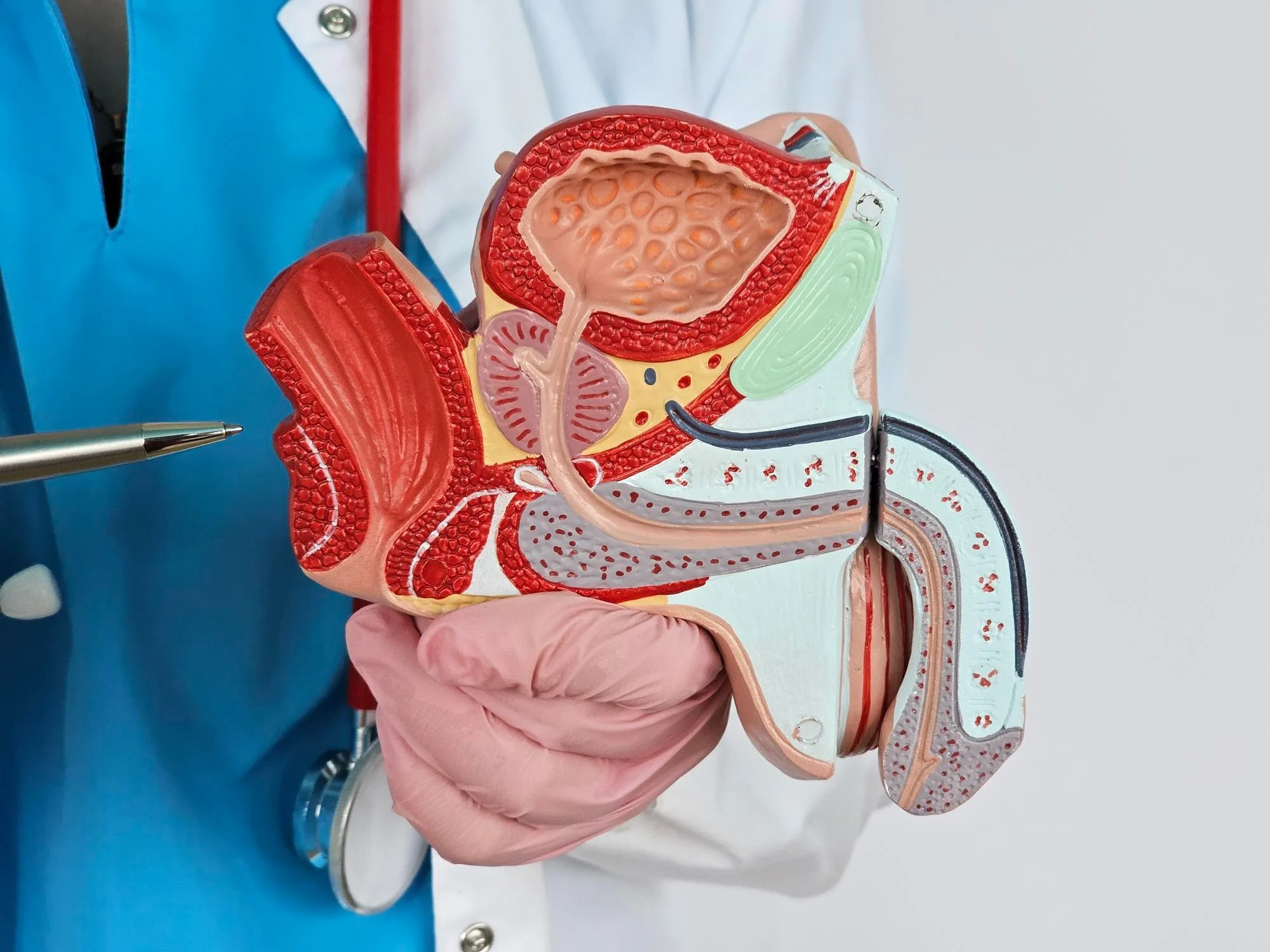
Why is this procedure recommended?
Your doctor may recommend this biopsy if:
Your PSA (Prostate Specific Antigen) level is elevated
An MRI scan has shown suspicious areas in the prostate
You have had a previous negative biopsy but ongoing concern
There are abnormal findings on prostate examination
The biopsy allows doctors to determine whether prostate cancer is present and, if so, how aggressive it may be.
How is the procedure performed?
The biopsy is performed in an operating theatre under general anaesthetic.
During the procedure:
You will be placed under general anaesthesia.
You will lie on your back with your legs supported.
An ultrasound probe is gently inserted into the rectum to visualise the prostate.
Your previously performed MRI scan is digitally fused with the ultrasound images to guide the biopsy.
Small biopsy needles are inserted through the skin between the scrotum and anus (the perineum).
Several small tissue samples are taken from both targeted MRI areas and other parts of the prostate.
The procedure typically takes 20–40 minutes.
Advantages of the Transperineal Approach
Compared with older biopsy methods, the transperineal approach has several benefits:
Lower risk of infection
Improved cancer detection
Better sampling of all areas of the prostate
Reduced need for repeat biopsy
Preparation Before the Procedure
Your doctor will provide specific instructions. These may include:
Stopping certain blood-thinning medications before the procedure
Having blood tests if required
Fasting for 6 hours before the anaesthetic
Arranging for someone to drive you home
You may also be given preventative antibiotics.
What to Expect After the Procedure
Most patients go home the same day after recovery from the anaesthetic.
Common temporary effects include:
Blood in the urine for several days
Blood in the semen for several weeks
Mild discomfort or bruising in the perineal area
Mild burning when urinating
These symptoms usually resolve on their own.
You should avoid heavy exercise and strenuous activity for 24–48 hours.
Possible Risks and Complications
This is generally a safe procedure, but possible risks include:
Urinary infection
Difficulty passing urine (temporary urinary retention)
Bleeding in urine or semen
Bruising or discomfort in the perineum
Very rarely, significant bleeding or infection requiring treatment
The transperineal approach has a much lower risk of serious infection compared with traditional transrectal biopsies.
Results
Biopsy samples are sent to a laboratory for analysis by a specialist pathologist.
Results are usually available within 1–2 weeks. Your doctor will discuss:
Whether cancer is present
The grade and stage of any cancer detected
Possible treatment or monitoring options
Follow-Up
A follow-up appointment will be arranged to review your biopsy results and discuss the next steps in management.