What is Haematuria?
Haematuria means blood in the urine. It may be visible to the naked eye (visible haematuria) or detected only on a urine test (microscopic or non-visible haematuria).
Blood in the urine can occur for many reasons. Some causes are harmless, while others may require further medical investigation.
Because haematuria can sometimes be a sign of serious underlying conditions, it is important that it is properly evaluated.
Investigation of Haematuria
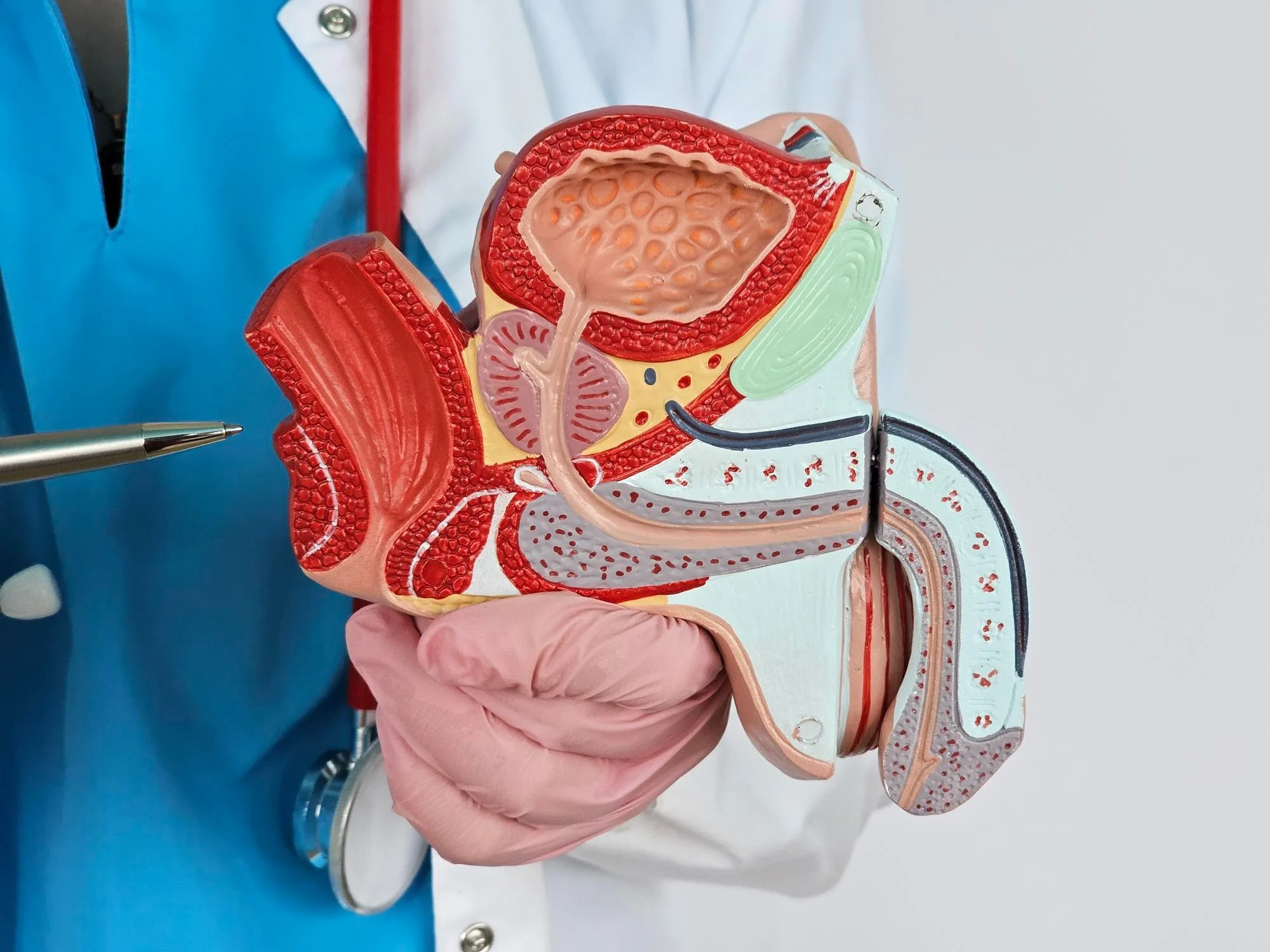
Possible Causes of Haematuria
Urinary Tract Infection (UTI)
Infection of the bladder or kidneys may cause blood in the urine.
Symptoms may include:
Burning when urinating
Frequent urination
Lower abdominal pain
Fever
Kidney or Bladder Stones
Stones in the urinary tract can irritate the lining of the urinary system and cause bleeding.
Symptoms may include:
Severe flank or abdominal pain
Pain when urinating
Nausea or vomiting
Enlarged Prostate (Benign Prostatic Hyperplasia)
In men, an enlarged prostate may lead to bleeding from the prostate or bladder.
Symptoms may include:
Difficulty starting urination
Weak urinary stream
Frequent urination, especially at night
Kidney Disease
Certain kidney conditions may cause microscopic haematuria detected on urine tests.
Tumours of the Urinary Tract
In some cases, haematuria may be caused by cancers involving the:
Bladder
Kidney
Ureter
Prostate
This is why investigation is important, particularly in older patients or those with risk factors.

Why Investigation is Important
Investigating haematuria helps doctors determine the cause of bleeding and rule out serious conditions such as urinary tract cancers.
Even if bleeding stops, further tests may still be required.
Tests Used to Investigate Haematuria
Your doctor may recommend several tests
Urine Tests
Urinalysis
A urine sample is examined to detect:
Blood
Infection
Protein or abnormal cells
Urine Culture
This test checks for bacterial infection.
Urine Cytology
Urine may be examined for abnormal or cancerous cells.
Blood Tests
Blood tests may be performed to assess:
Kidney function
Signs of infection
Other medical conditions
Ultrasound
Ultrasound uses sound waves to examine the kidneys and bladder.
It may be used as an initial imaging test, especially in younger patients.
Cystoscopy
Cystoscopy is a procedure that allows the doctor to look directly inside the bladder and urethra.
During this procedure:
A small camera (cystoscope) is passed through the urethra into the bladder.
The bladder lining is carefully examined.
Cystoscopy is particularly important for detecting bladder cancer or other abnormalities.
The procedure is usually performed under local anaesthetic and takes about 10–15 minutes.
What Happens After Investigation?
Once all tests are completed, your doctor will discuss the findings and recommend appropriate management.
Possible outcomes include:
Treatment of infection or stones
Monitoring with repeat testing
Referral for further treatment if abnormalities are detected
In many patients, no serious cause is found.
When to Seek Urgent Medical Attention
Seek immediate medical care if you experience:
Large amounts of blood in the urine
Blood clots in the urine
Severe pain in the back or abdomen
Difficulty passing urine
Fever or chills