What is Testicular Pain?
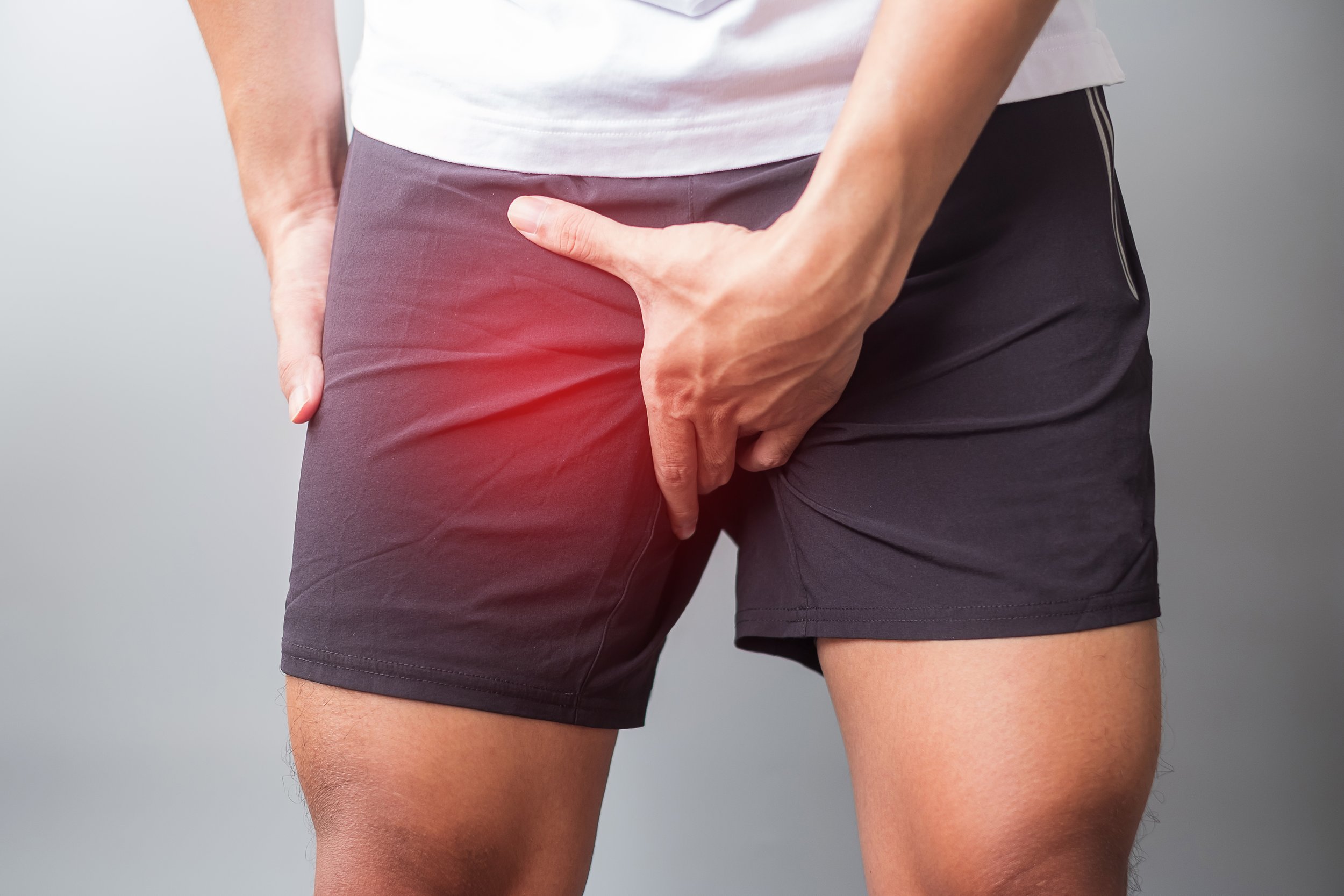
Testicular pain refers to discomfort or pain in one or both testicles (testes) or the surrounding scrotal area. The pain may be sudden or gradual and can range from mild discomfort to severe pain.
Testicular pain can arise from a variety of conditions affecting the testicle, epididymis, spermatic cord, or nearby structures. In some cases, pain may originate from another area, such as the abdomen or groin.
Because some causes require urgent medical attention, any persistent or severe testicular pain should be assessed by a doctor.
Testicular Pain (Testes Pain)
Symptoms
Symptoms may vary depending on the underlying cause but may include:
Pain in one or both testicles
Scrotal swelling
Tenderness of the testicle
A feeling of heaviness in the scrotum
Pain that spreads to the groin, abdomen, or lower back
Nausea or vomiting (in severe cases)
Some men may also notice:
Redness of the scrotum
Fever
Pain when passing urine
Urinary frequency or urgency
Possible Causes of Testicular Pain
There are several possible causes.
Epididymitis
Epididymitis is inflammation or infection of the epididymis, the tube behind the testicle that stores sperm.
Symptoms may include:
Gradual onset of pain
Scrotal swelling
Pain when urinating
Fever
This condition is usually treated with antibiotics and anti-inflammatory medications.
Trauma or Injury
Direct injury to the scrotum may cause pain, swelling, or bruising.
Most minor injuries improve with rest, support, and pain relief, but severe trauma should be assessed by a doctor.
Kidney Stones
Kidney stones may cause referred pain that spreads from the lower back into the groin and testicle.
Varicocele
A varicocele is an enlargement of veins within the scrotum, which may cause aching pain, especially after standing for long periods.
Chronic Testicular Pain
In some men, testicular pain persists for several months without an obvious cause. This is known as chronic orchialgia.
Testicular Torsion
Testicular torsion occurs when the spermatic cord twists, cutting off blood supply to the testicle.
Symptoms include:
Sudden severe testicular pain
Rapid swelling of the scrotum
Nausea or vomiting
Testicular torsion is a medical emergency and requires immediate surgery to save the testicle.
Inguinal Hernia
An inguinal hernia occurs when part of the intestine pushes through a weakness in the abdominal wall and may cause pain that radiates into the scrotum.
Symptoms may include:
Groin swelling
Discomfort when lifting or straining
Epididymal Cyst or Hydrocoele
Fluid collections in the scrotum can sometimes cause discomfort or a feeling of heaviness.

How is Testicular Pain Investigated?
Your doctor may perform several assessments.
Medical History
Your doctor will ask about:
The nature and duration of the pain
Associated symptoms
Previous injuries or infections
__________
Physical Examination
The doctor will examine the testicles, epididymis, and groin to identify swelling, tenderness, or lumps.
__________
Ultrasound Scan
A scrotal ultrasound is commonly performed to examine the testicles and surrounding structures.
Ultrasound can help detect:
Testicular torsion
Infection
Epididymal cysts
Tumours
Fluid collections
__________
Urine Tests
Urine tests may be performed to check for infection or blood in the urine.
Treatment
Treatment depends on the underlying cause of the pain.
Possible treatments include:
Antibiotics for infection
Pain relief medication
Anti-inflammatory medications
Scrotal support
Surgery in certain cases (such as testicular torsion or hernia)
Most cases improve once the underlying cause is treated. However some cases a cause is never found at treatment is based on managing pain and symptoms
When to Seek Urgent Medical Attention
You should seek immediate medical care if you experience:
Sudden severe testicular pain
Rapid swelling of the scrotum
Nausea or vomiting with testicular pain
Fever with scrotal pain
Pain after a significant injury
These symptoms may indicate testicular torsion or another serious condition requiring urgent treatment.
When to See a Doctor
You should consult a doctor if you notice:
Persistent testicular pain
Swelling or lumps in the scrotum
Pain during urination
Any new or unusual symptoms involving the testicles
Early medical assessment helps ensure the correct diagnosis and treatment.