What Are Kidney Stones?
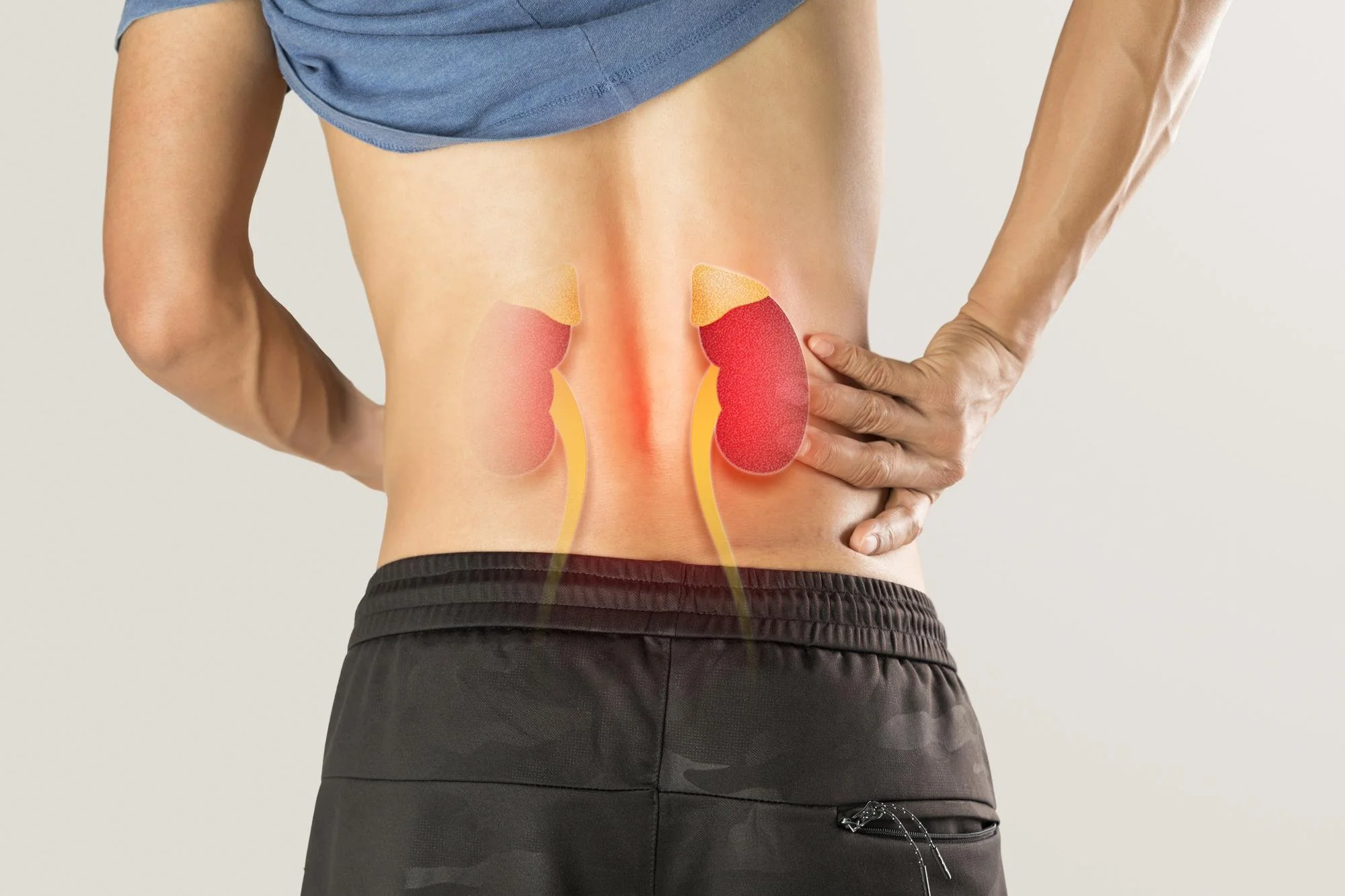
Kidney stones are hard deposits made from minerals and salts that form in the kidneys. They can vary in size from tiny crystals (like sand) to larger stones that may block the urinary tract.
Stones can develop anywhere in the urinary system, including the:
Kidneys
Ureters (tubes from kidneys to bladder)
Bladder
Urethra
When a stone moves through the urinary tract, it can cause significant pain.
Kidney Stones (Urinary Stones)
Common Types of Kidney Stones
The main types include:
Calcium stones (most common)
Usually calcium oxalate
Linked to diet, dehydration, or metabolic factors
Uric acid stones
More common in people with gout or high uric acid levels
Struvite stones
Associated with urinary infections
Cystine stones
Rare and caused by a genetic condition
Symptoms
Some small stones cause no symptoms and pass naturally. When symptoms occur, they may include:
Severe pain in the side, back, or lower abdomen
Pain that comes in waves (renal colic)
Pain when passing urine
Blood in the urine (pink, red, or brown)
Nausea and vomiting
Frequent need to urinate
Cloudy or foul-smelling urine
Seek urgent medical care if you have fever, severe pain, or cannot pass urine.
Risk Factors
You may be more likely to develop kidney stones if you:
Drink insufficient fluids
Have a diet high in salt or animal protein
Have a family history of stones
Have certain medical conditions (e.g., gout, bowel disease)
Have recurrent urinary infections
Are overweight or obese
How Are Stones Diagnosed?
Your doctor may arrange tests such as:
Urine tests – to check for infection or crystals
Blood tests – to assess kidney function and mineral levels
CT scan – most accurate test for stones
Ultrasound – often used for initial assessment
Treatment Options
Treatment depends on the size, location, and symptoms of the stone.
Conservative (Medical) Management
Small stones may pass naturally.
Treatment may include:
Drinking plenty of fluids
Pain medication
Medications to help pass the stone
Procedural Treatments
If stones are large or do not pass naturally, procedures may include:
Shockwave lithotripsy (SWL)
Sound waves break stones into smaller pieces.
Ureteroscopy
A small camera is passed into the urinary tract to remove or break the stone.
Percutaneous nephrolithotomy (PCNL)
Surgery to remove large kidney stones through a small incision in the back.
Prevention
To reduce the risk of future stones:
Increase fluid intake
Aim for at least 2–3 litres of fluid daily
Reduce salt intake
High sodium increases stone risk
Moderate animal protein
Large amounts of red meat can increase risk
Maintain a balanced diet
Adequate calcium intake from food is important
Your doctor may recommend specific dietary changes based on the type of stone you form.
When to Seek Urgent Medical Attention
Seek immediate medical care if you experience:
Fever or chills with urinary symptoms
Severe uncontrolled pain
Vomiting preventing fluid intake
Difficulty passing urine
These may indicate infection or obstruction requiring urgent treatment.
Follow-Up
If you have had kidney stones before, your doctor may recommend:
Stone analysis
24-hour urine testing
Preventative medications
Regular follow-up helps reduce the risk of recurrence.